
CFD Simulation
Computational Fluid Dynamics
We use numerical solutions to analyze fluid flows and complex problems involving multiphase flows (such as liquid-liquid, liquid-gas, or gas-solid interactions), heat transfer or phase change.
Work with usVersatile CFD simulation services for multiple industries, ranging from automotive and aerospace to energy and maritime, ensuring optimized designs and enhanced performance
Harness CFD simulations to anticipate and counter challenges with precision, employing advanced fluid dynamics analyses to refine designs, minimize drag, and maximize fuel efficiency.
Navigate maritime challenges with precision-enhancing advanced fluid dynamics solutions that refine designs, minimize drag, and maximize fuel efficiency.
Employ CFD simulations to forecast aircraft dynamic behavior in normal and extreme conditions including stall, high-speed maneuvers, and combustion.
Our CFD simulation services effectively solve a range of critical challenges, including:
Fluid Dynamics Analysis
Streamlining design to minimize drag and maximize efficiency for applications in automotive and other transportation sectors.
Thermal Management
Ensuring optimal temperature regulation for electronic components and batteries, to prolong lifespan and improve reliability.
Performance Optimization
Enhancing the overall performance of products, from consumer devices to industrial equipment, through critical simulations and analysis.
Design Verification
Ensuring that designs meet all necessary performance benchmarks before physical production and testing.
Our clients feel confident and assured, knowing their designs are optimized, compliant, and benefiting from:
Enhanced Efficiency
Streamlined designs lead to reduced drag and improved fuel efficiency, saving costs, especially in the automotive and transportation sectors.
Improved Reliability
Optimal temperature and flow management in the design leads to enhanced overall lifespan of component to life expectancy and long testing and research.
Superior Performance
Precise simulations and performance optimization ensure product performance across all metrics, resulting in higher quality and customer satisfaction.
Regulatory Compliance
Thorough design verification ensures that all regulatory and safety requirements are met, avoiding potentially costly redesigns and delays.
Key Features of CFD Simulation Services
Turbulence Modeling
Captures turbulent flow behaviors essential for applications ranging from aerodynamics to process engineering.
Multiphase Flow Analysis
Fluid streams, such liquid-liquid, gas-liquid, or solid-fluid multiphase flows enable precise analysis of emulsions, sprays, and sedimentation processes.
Thermal Management
Offers a critical avenue to optimize heat dissipation mechanisms, crucial for computer industry and others.
Fluid Structure Interaction (FSI)
Offers advanced simulation capabilities to model the interaction of fluid flow and solid structures, helping predict and mitigate risks.
Acoustic Analysis
Evaluate sound vibrations and noise generation to reduce noise pollution, enhance sound quality, and improve customer satisfaction.
Combustion Simulation
Simulate chemical reactions and heat release processes for burners, engines and industrial furnaces.
Shape Optimization
Determine the geometry of components that minimizes drag, improve heat transfer, or meets specific efficiency goals.
High Performance Computing (HPC)
Utilize advanced HPC capabilities to run large, complex simulations faster, reducing time-to-results and enabling more detailed analysis.
The CFD Simulation Process
Step 1 - Preprocessing
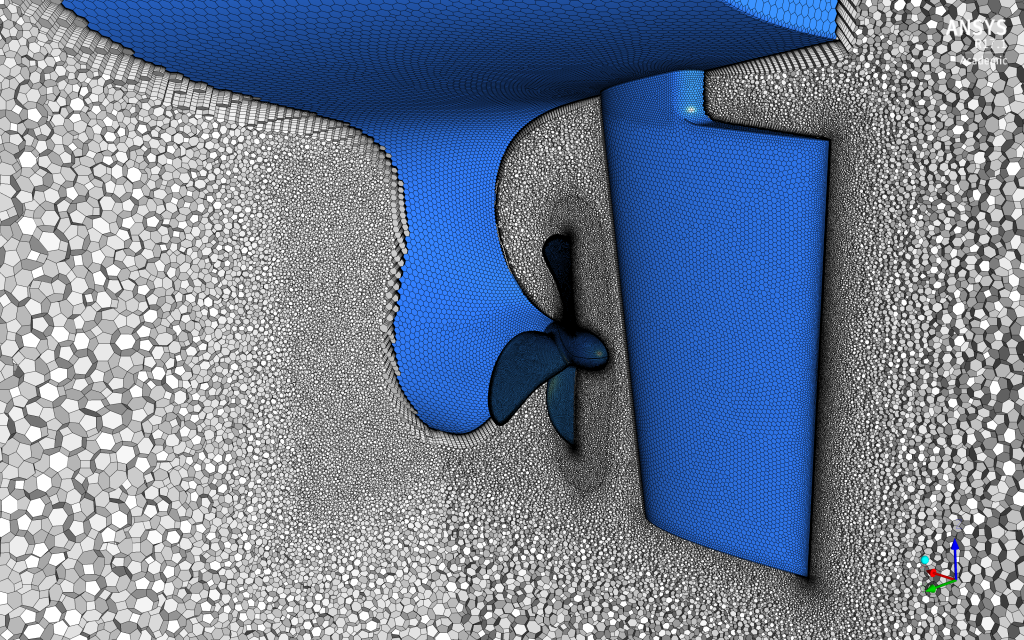
Creating a geometric model and converting it into a mesh, performing meshing for numerical analysis, and establishing initial and boundary conditions to mirror real-world conditions.
- Geometry Import: Importing the geometric model of the system or component to be analyzed into the CFD software
- Model Simplification: Simplifying complex geometries to reduce computational efficiency without compromising accuracy
- Mesh Generation: Creating a mesh, or grid of discrete elements, over the geometric model to represent the physical domain
- Material Properties: Assigning material properties to different parts of the model, such as surfaces, density, and thermal conductivity
- Boundary Conditions: Defining the conditions at the boundaries of the computational domain
- Solver Setup: Configuring the simulation solver with appropriate settings and parameters
Step 2 - Numerical Simulation
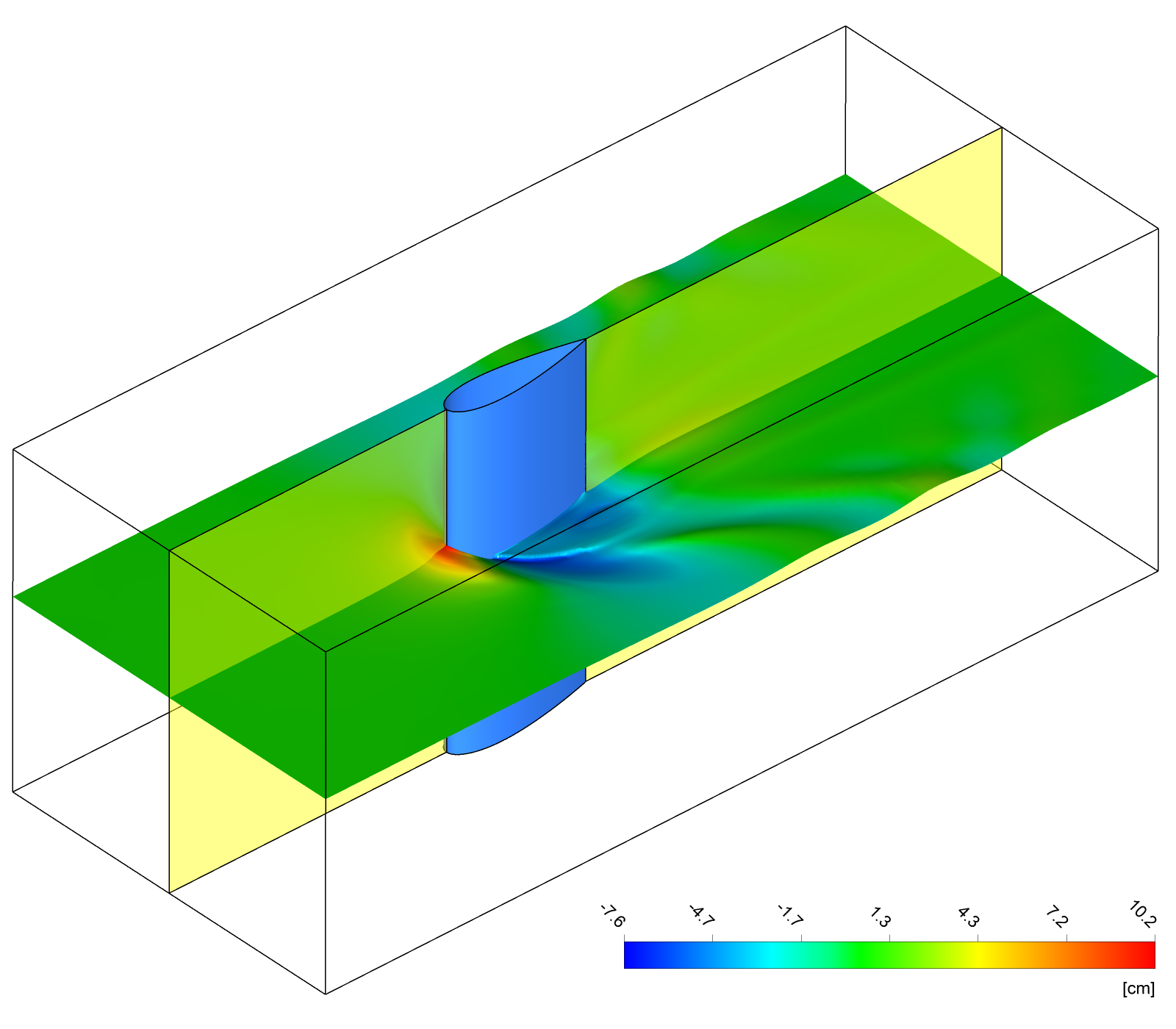
Conducting the simulation based on predefined setups, closely supervising its progress to ensure it aligns with expectations, and adjusting parameters as necessary to achieve optimal results.
- Solver Execution: The solver uses iterative or direct numerical algorithms to solve the mathematical equations governing the behavior of the system
- Iteration Process: The solver iterates through multiple cycles, updating the solution at each step based on the current state
- Time Stepping: For transient simulations, the solver advances the solution through discrete time intervals
- Numerical Methods: The solver employs various numerical methods such as finite difference, finite volume, or finite element methods
- Boundary Conditions Enforcement: Throughout the simulation, the solver enforces the specified boundary conditions
- Convergence Monitoring: The solver monitors the convergence of the solution throughout the simulation
Step 3 - Post-Processing
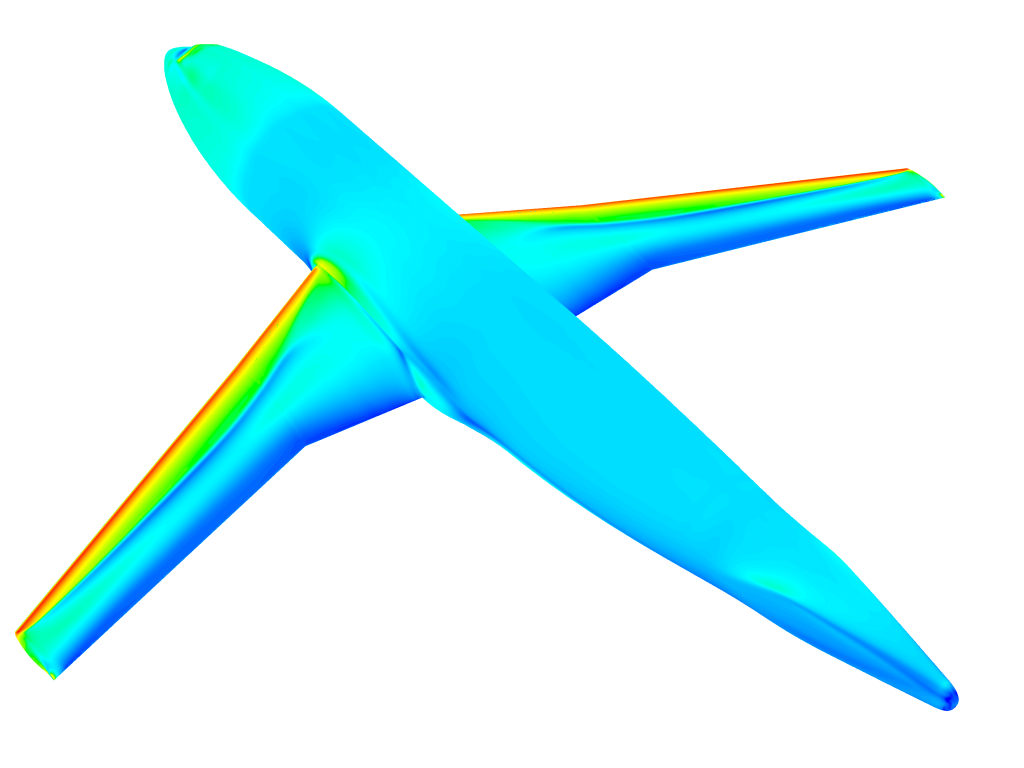
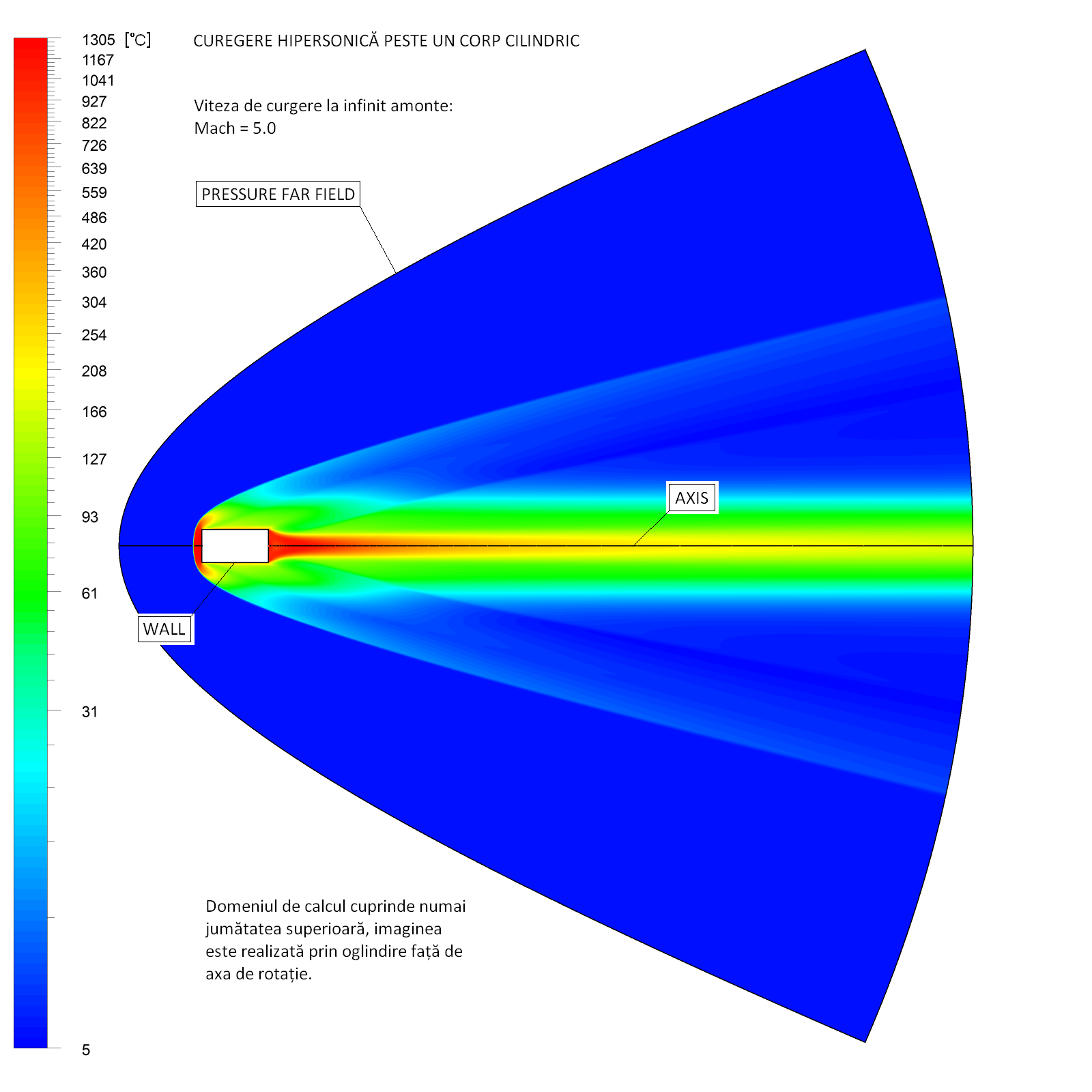
Extracting and analyzing results from simulations, identifying and addressing discrepancies, and providing actionable recommendations for design improvements.
- Result Visualization: The post-processing phase begins with the visualization of simulation results, which often include scalar fields such as velocity, pressure, temperature, and other relevant quantities
- Data Analysis: Once the results are visualized, they are subjected to detailed analysis to understand the behavior and performance of the simulated system
- Validation and Verification: Ensuring the accuracy and reliability of the simulation results through validation and verification techniques
- Reporting and Documentation: Finally, the findings from the post-processing phase are typically documented in reports, presentations, or technical memos
Step 4 - Iterative Loop
Repeating the simulation process as needed to refine outcomes, address dysfunction, or adapt to varying input data, ensuring continuous optimization and accuracy for varying conditions.
- Refinement: Continuously refining simulation results to improve accuracy and performance
- Issue Resolution: Identifying and rectifying issues or dysfunctions through iterative adjustments
- Data Adaptation: Adjusting to variances in input data to maintain relevance and accuracy
Use our CFD simulation results analysis to verify or to optimize your product design.
Benefit from TENSOR's expertise in CAE and our ability to solve any numerical simulation problem using CFD software.
Work with us